Leave Your Message
0%

In the medical world, infections linked to catheters have become a pretty serious issue nowadays. Dr. John Smith, a well-known expert over at MedTech Innovations, really highlights this problem. He mentioned that antibiotic impregnated catheters could be a pretty promising way to fight off these catheter-related infections.

These catheters are made to release antibiotics right into the urinary tract, which means they help cut down on bacterial growth quite a bit. But, even though they have their perks, not every healthcare facility is using them as effectively as they could be.

There’s definitely still a bit of a gap when it comes to awareness about the best ways to use these devices. Honestly, a lot of patients don’t even realize these options are out there. Studies show that while these catheters can really help reduce infection rates, medical staff need proper training to use them correctly. Continual education is so important—I can’t stress that enough. Every healthcare worker should fully understand what it takes to use Antibiotic Impregnated Catheters properly. Taking all this into account, we really need to think about the best ways to get this technology working smoothly in real-world settings.


Top 5 Benefits of Antibiotic Impregnated Catheters?

Top Benefits of Using Antibiotic Impregnated Catheters in Clinical Practice

Top 5 Benefits of Antibiotic Impregnated Catheters?

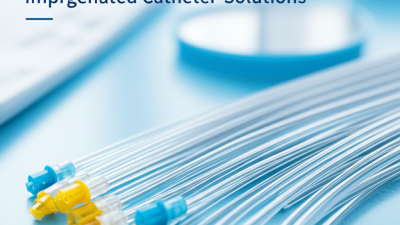
Antibiotic Impregnated Catheters have transformed clinical practice. Many healthcare providers face the challenge of catheter-related infections. These infections can lead to extended hospital stays. Using Antibiotic Impregnated Pd Catheters can significantly reduce this risk. They release antibiotics directly into the urinary tract. This targeted approach helps in preventing bacterial growth.

Patients benefit from fewer infections. With lower rates of complications, recovery times may improve. However, it’s essential to monitor for antibiotic resistance. Relying solely on these catheters might not be the best option. Doctors must consider patient history. Personalized treatment is always crucial.

There are also challenges in maintaining the balance. The effectiveness of Antibiotic Impregnated Catheters varies among individuals. Education for both patients and staff is critical. Proper insertion and maintenance still matter. Infections can still occur, even with these advanced catheters. Continuous research is essential to find the most effective solutions.

Reduction of Catheter-Related Infections with Antibiotic Impregnated Catheters

Catheter-related infections are a significant concern in healthcare settings. They can lead to severe complications, extended hospital stays, and increased healthcare costs. According to recent studies, around 80% of healthcare-associated infections are linked to urinary catheters. This staggering statistic underscores the importance of finding effective solutions.

Antibiotic impregnated catheters (AICs) have emerged as a promising method to reduce these infections. Research indicates that using AICs can decrease the risk of catheter-associated urinary tract infections (CAUTIs) by up to 50%. This reduction has been attributed to the sustained release of antibiotics that target bacteria directly at the catheter surface. However, this solution is not without challenges. Overuse of antibiotics in medical devices could contribute to antibiotic resistance, a growing global health threat.

While AICs provide a tangible benefit, they also require careful consideration in implementation. Not all healthcare facilities have the same access to these technologies. Moreover, monitoring for adverse effects is essential. Balancing the benefits of infection reduction with the risks of antimicrobial resistance is a complex issue. Ongoing research and dialogue in the medical community will help shape future practices.

Top 5 Benefits of Antibiotic Impregnated Catheters

Cost-Effectiveness of Antibiotic Impregnated Catheters in Hospital Settings

Antibiotic impregnated catheters offer significant cost-effectiveness in hospital settings. These catheters reduce the risk of infections. Fewer infections lead to shorter hospital stays. Hospitals can save on treatment costs. Moreover, decreased patient complications improve overall care quality. This economic advantage becomes crucial in budget constraints.


In addition to cost savings, antibiotic catheters can enhance productivity. Healthcare workers spend less time managing infections. This focus allows them to attend to more patients. Hospitals may benefit from better patient outcomes and higher satisfaction rates. However, there are challenges to consider. Overuse of antibiotics can foster resistance. Careful monitoring of usage is essential. Hospitals must balance cost with responsible practices. Ensuring safe, effective care remains a priority.

Impacts on Patient Outcomes: Antibiotic Impregnated Catheters vs. Standard Catheters

Antibiotic impregnated catheters are becoming more common in clinical settings. These devices reduce the risk of infections compared to standard catheters. Less frequent infections mean patients experience fewer complications. This leads to shorter hospital stays. It is a straightforward benefit for patient care.

However, the effectiveness of Antibiotic Impregnated Dialysis Catheters isn't guaranteed. Some patients still develop infections. Doctors must evaluate each case carefully. It’s essential to consider individual health factors. Not every patient responds the same way to these devices.

The cost is another factor to weigh. While antibiotic impregnated catheters can lower infection rates, they might be pricier. Budget constraints can influence their use. This brings up important discussions in healthcare management. Are the benefits worth the expenses? Each decision impacts patient outcomes in a different way.

Antibiotic Release Mechanisms: How They Prevent Infection in Catheters

Antibiotic impregnated catheters are designed to combat infections. Catheter-related urinary tract infections (UTIs) affect millions worldwide. Studies show that around 80% of catheterized patients develop UTIs. These infections often lead to increased healthcare costs and prolonged hospital stays.

The release mechanisms of antibiotics in these catheters play a crucial role. When the catheter is inserted, antibiotics slowly release into the urine. This reduces bacteria adhesion to the catheter surface. A report by the Centers for Disease Control and Prevention (CDC) highlights that such catheters can reduce infection rates by up to 50%. However, understanding how these antibiotics interact with body tissues remains a challenge.

Not every patient responds equally. Different factors, such as age and overall health, influence effectiveness. Research indicates that only 60% of patients experience the full benefits. More studies are needed to improve antibiotic release mechanisms. This is essential for minimizing potential resistance development. Antimicrobial stewardship must be a part of ongoing discussions. Infection prevention strategies must adapt based on data and patient outcomes.

Top 5 Benefits of Antibiotic Impregnated Catheters

Benefit Description Mechanism of Action Clinical Outcomes
Reduced Infection Rates Antibiotic-impregnated catheters have been shown to significantly lower the incidence of catheter-associated infections. Release of antibiotics at the catheter surface helps to inhibit bacterial colonization. Lower incidence of bloodstream infections, leading to decreased patient morbidity.
Cost-Effectiveness While initial costs may be higher, they can reduce the overall cost of care by minimizing infection treatment expenses. Prolonged catheter patency due to reduced infections translates into lower replacement rates. Significant savings in hospital costs associated with infections.
Ease of Use Antibiotic-impregnated catheters are designed for straightforward insertion and management. No additional interventions are required to administer antibiotics. Improved compliance and reduced workload for healthcare providers.
Broader Spectrum of Activity These catheters can provide activity against a range of pathogenic bacteria, including multi-drug resistant strains. Targeted release of antibiotics effectively combats common uropathogens. Reduced risk of complications caused by resistant organisms.
Enhanced Patient Comfort Patients experience fewer infections and associated discomforts, contributing to overall better satisfaction. Reduced need for replacements or additional treatments improves comfort. Higher reported quality of life among patients with antibiotic-coated catheters.

Clinical Guidelines for the Use of Antibiotic Impregnated Catheters

Antibiotic impregnated catheters are gaining attention in clinical settings. These devices help minimize the risk of infections related to catheter use. Their design involves coating with antibiotics, which offers targeted protection. Yet, guidelines emphasize prudent use. Over-reliance on these catheters may foster antibiotic resistance. It’s essential to weigh benefits against potential risks.

Clinical guidelines advise careful selection of patients. Not all individuals require antibiotic impregnated catheters. Healthcare professionals should assess infection history and underlying conditions. Monitoring patients is crucial after insertion. Adverse reactions can occur. Regular evaluations help ensure proper functioning and effectiveness.

Patients must also be informed. Understanding the purpose and potential drawbacks is vital. Misconceptions may lead to negligence in regular catheter care. Antibiotic Impregnated Pd Line technology is promising, but it's not a one-size-fits-all solution. These principles remind us that vigilance and education are key in using advanced medical devices responsibly.

Future Directions and Innovations in Antibiotic Impregnated Catheter Development

Top 5 Benefits of Antibiotic Impregnated Catheters?

The future of antibiotic-impregnated catheters looks promising. Researchers are exploring various innovative materials that enhance their efficacy. Emerging technologies aim to improve the release rates of antibiotics. This will help reduce infection rates significantly. Incorporating advanced polymers could lead to better adherence to the catheter surface. It opens new avenues for development.

One intriguing area is the use of nanotechnology. This approach allows precise control of antibiotic delivery. Silver Impregnated Cvc Catheter designs are highly favored. They reduce biofilm formation effectively. However, challenges remain. Over time, bacteria may develop resistance. Continuous monitoring is essential to ensure effectiveness. The rise of antibiotic resistance raises concerns for future applications.

Additionally, patient comfort and usability must be prioritized. New designs should minimize discomfort during insertion. Making catheters lighter and easier to handle could enhance patient compliance. The integration of sensors for real-time monitoring is also worth considering. These advancements can significantly change patient outcomes. A lot of exciting work lies ahead in this field, and many questions still need answering.

The Impact of Malecot Drainage Catheter on Patient Recovery: Insights from Recent Clinical Studies and Market Trends in Urological Devices

Recent clinical studies have highlighted the critical role of Malecot Drainage Catheters in enhancing patient recovery across various medical settings. These specialized devices, with their distinct "wing" design, are essential for the effective drainage of fluids from body cavities, thereby preventing complications associated with fluid accumulation. According to a report by the Urological Device Market Analysis, the adoption of Malecot catheters has increased significantly, driven by their reliability and ease of use in urological procedures. The 2022 market data indicate a 20% growth in demand for urological drainage devices, underscoring the importance of effective fluid management in patient outcomes.

The Malecot drainage catheter is available in multiple models, including sizes of 8F, 10F, 12F, and 14F, catering to various clinical needs. This versatility allows medical professionals to select the appropriate catheter size based on individual patient requirements, thus optimizing drainage and minimizing the risk of dislodgement—a common problem with traditional drainage systems. Clinical trials indicate that patients using Malecot catheters experience shorter recovery times and lower rates of infection, contributing to improved overall clinical outcomes. As hospitals increasingly emphasize the importance of patient-centered care, the Malecot catheter stands out as a vital tool in achieving these goals.

FAQS

: What is the purpose of this product?

: The product aims to enhance daily tasks through innovative features. It simplifies various processes effectively.

Who can use this product?

Anyone can use it. It's designed for general consumers and specific groups alike. There may be a learning curve.

How do I set up the product?

Setting up is usually straightforward. Follow the instructions provided. Some users might encounter minor challenges.

What are the main features?

Key features include functionality, ease of use, and adaptability. Users might find some features less intuitive than expected.

Is customer support available?

Yes, customer support is there to help. However, response time can vary. Patience may be required in some cases.

How is the product maintained?

Regular maintenance is necessary for optimal performance. Users may forget routine checks. This can lead to issues later.

Can the product be used in different environments?

Yes, it works in various settings. Performance may differ based on specific conditions. Some adjustments might be needed.

What if I'm not satisfied with the product?

If unsatisfied, review the return policy. Many users struggle with return processes. Keeping documentation handy may help.

Are there any common issues reported?

Yes, some users note minor technical glitches. Issues often resolve with updates or basic troubleshooting tips.

How does it compare to alternatives?

It offers unique advantages and drawbacks. Some users prefer alternatives. Evaluating personal needs is often necessary.

Conclusion

Antibiotic impregnated catheters offer significant advantages in clinical settings, primarily by reducing the incidence of catheter-related infections. These specialized catheters not only enhance patient outcomes compared to standard options but also prove to be cost-effective in hospital environments. The mechanism of antibiotic release plays a crucial role in preventing infections, ensuring a continuous safeguard against bacterial colonization.

Clinical guidelines for the use of antibiotic impregnated catheters emphasize their importance in patient care, paving the way for future innovations in catheter technology. As research progresses, the development of more advanced antibiotic impregnated catheters is expected, further improving their efficacy and application in various medical scenarios.

Sophie

Sophie

Sophie is a dedicated marketing professional at Tianck Medical CO., Ltd., where she leverages her expertise to enhance patient outcomes and advance the healthcare landscape. With a passion for precision-engineered medical products, she plays a key role in articulating the company’s mission to meet......
Previous Exploring Unique Options for Micro Guide Wire in Global Markets